The holidays arrive with their own momentum: the group chats fill up, someone volunteers you for the dessert you always make, and the calendar starts to look less like a calendar and more like a staircase. If you are in the middle of a health journey — recovering from surgery, managing a long-term condition, waiting for results, or simply running on less energy than last December — that momentum can feel like something happening to you rather than something you choose. It does not have to be. The point of this season is connection, not performance, and there is a way to be present without paying for it for the next three weeks.
Before you reply to a single invitation, sit down with your appointment schedule and mark the days that are already spoken for. Treatment sessions, physiotherapy, blood tests, the day after a long infusion when you know you will be flat on the sofa. Those are fixed points. Everything else has to arrange itself around them, not the reverse.
A simple system helps. Take a paper calendar and mark each day three ways. Fixed means medical or recovery commitments. Chosen means one thing you genuinely want to do that day. Quiet means nothing, and it stays that way. Most people find they can manage one chosen event per day, and often not on consecutive days. That is not a lack of festive spirit; it is arithmetic.
When you say yes, attach a condition to it. "I'd love to come, and I'll probably need to leave by seven." Putting the limit in the first sentence saves you the awkward exit later, and it gives your host something they can plan around instead of something they have to negotiate.
Routine is the first thing to crack. Wake-up times shift, meals land at odd hours, visitors arrive, and suddenly a dose scheduled for eight in the morning happens at half past eleven. For most medications this is not catastrophic, but for some it matters a great deal — and you do not want to be working that out for the first time on the day itself.
Ask your pharmacist or care team, before the holidays, three questions: what to do about a missed dose, whether any of your medicines interact with alcohol or with the richer food that tends to appear at this time of year, and whether timing around meals is flexible. Write the answers down. You will not remember them at eleven at night with a house full of people.
If family members help manage your medication, make sure more than one person knows the routine. The holidays are exactly when the usual helper is distracted, travelling, or asleep on the sofa.
Rest gets treated as the leftover time, the gap between real events. In recovery, it is the opposite: the events are what you fit around the rest. Build the recovery block first, then decide what goes next to it. If a family dinner on Saturday will cost you Sunday, put Sunday in the calendar as unavailable before anyone asks.
Watch for the early signals rather than waiting for the collapse. Most people have a tell — the conversation becomes harder to follow, patience thins, pain edges up a notch, or the room gets loud in a way it was not twenty minutes ago. Learn yours and act on it while leaving is still easy and gracious.
Short rests work better than heroic ones. Twenty minutes with your feet up, the door closed and your phone face down will do more than an hour spent half-listening to a conversation in the next room. A quiet room agreed in advance — a spare bedroom, a study, the car with the seat back — is worth arranging before you arrive.
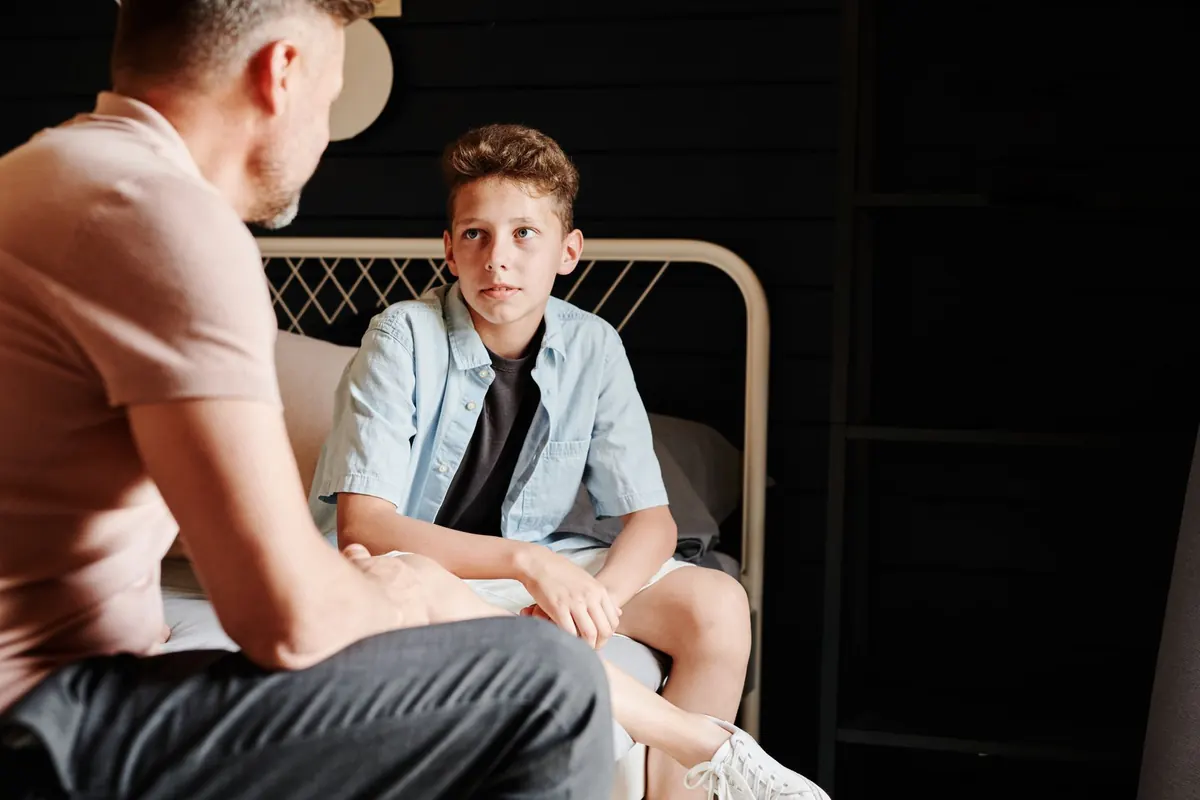
People show care by feeding you, gathering you, and refusing to accept that you might not come. A boundary can land as rejection even when it is nothing of the sort. The fix is usually to be warm about the intention and specific about the limit.
Try sentences that offer something rather than simply removing something:
Choose one person — a partner, a sibling, a close friend — to be your spokesperson. It is far easier to have them field the fourth round of "but surely you can stay a bit longer?" than to answer it yourself with a tired smile. Brief them on what you need and let them run interference.
Traditions are scaffolding, not contracts, and most of them survive being rebuilt. If cooking the whole meal is out of reach, move the gathering to a restaurant, order in, or turn the meal into a potluck where you provide the table and the plates. If travelling is too much this year, suggest a video call at a set time and make it a proper occasion with a drink in hand. Swap gifts for a shared meal, or for something small and useful.
There is also a middle path that people forget: hold the tradition but shrink it. A smaller gathering on the actual day, with a bigger one postponed to when you have more to give. Most relatives would rather see you in February than watch you struggle through December.
Even a well-planned week can turn. You wake up with a fever, the fatigue hits harder than expected, or a symptom changes in a way that worries you. Have a default: one person to call, one pre-agreed phrase for leaving early, one dish in the freezer for the evening you cannot cook.
If something changes clinically — a new fever, worsening pain, unusual breathlessness, or any symptom your care team has told you to watch for — contact them rather than pushing through the celebrations. Holiday hours vary, so keep the out-of-hours number to hand, not buried in an email from three months ago.
Do a little groundwork now and the rest of the season gets simpler. Order prescriptions and check pharmacy hours. Put your appointments on the calendar and block the recovery days around them. Decide on one event per day, and write the exit line you will use. Brief one person on your routine and give them permission to steer conversations away from your health when you are too tired to answer. Pack the small medication bag. Put a ready meal in the freezer. Then tell at least one relative what you have decided, so it is a plan rather than a hope.
The holidays do not have to be the test of how much you can endure. They can be a smaller, quieter, warmer version of themselves — one that leaves you in better shape in January than you were in December.
This is general guidance rather than medical advice. Talk to your doctor, nurse or pharmacist about your own medication timing, dietary restrictions and what to do if you become unwell during the holidays.
Photo: cottonbro studio / Pexels